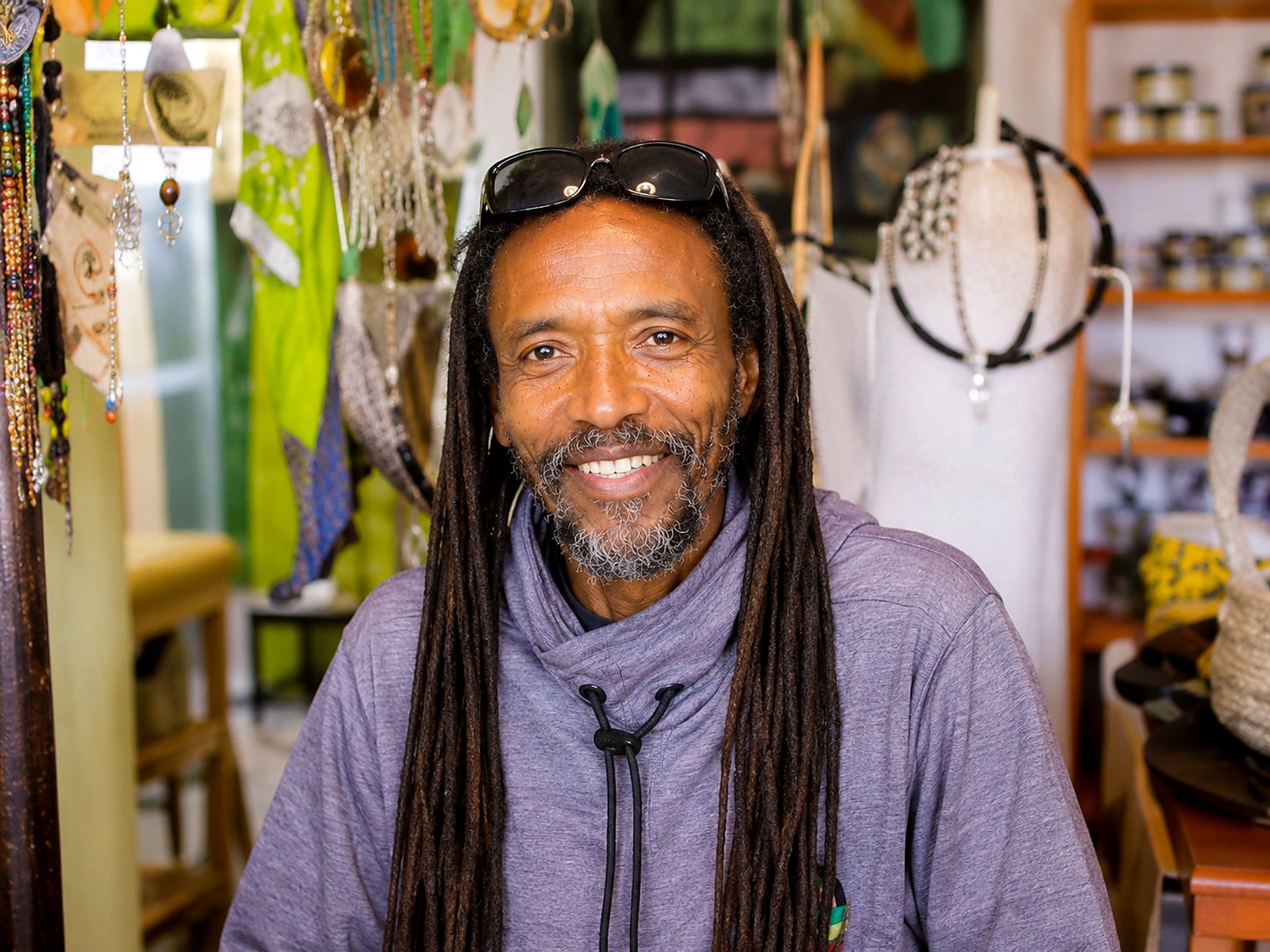
The man

Gareth Anver Prince.

Constitutional advocate. Rastafari elder. Reform leader. Three decades into a single argument — that the Constitution belongs to everyone it claims to protect.

Born
Cape Town, South Africa
Calling
Constitutional advocate
Faith
Rastafari elder
Decades in court
30+ years
Portrait of Gareth Anver Prince

“The Constitution is not a privilege. It is an instruction.”

Origins

01 / 03

A faith formed before it was free.

Long before South Africa wrote its democratic Constitution, Gareth Anver Prince was already shaped by the Rastafari movement — a tradition of contemplation, communal discipline, and quiet resistance born of the Caribbean and carried into the Cape.

He came of age in a country where his faith had no name in law, no place in public life, and no defence in the courts. The Constitution of 1996 promised that this would change. He spent the rest of his life testing whether the country meant it.

Vocation

02 / 03

Choosing the law as the field of fight.

Trained as a lawyer, Gareth completed his studies and applied to the Cape Law Society to be admitted as an attorney. In 1997 the Society refused, citing his open Rastafari practice. Rather than abandon either his faith or his profession, he took the matter to court.

What followed was not a single case but a body of work — a slow, patient, decades-long argument that the Constitution's promise of religious freedom must mean something for those whose religion the state had never recognised.

Method

03 / 03

Constitutional argument as cultural defence.

Gareth's litigation has never been about exemption — it has been about equality. Each filing carries the same constitutional thread: that dignity, faith, indigenous knowledge, and personal autonomy are guaranteed to every South African, and that the law must be measured against that guarantee.

His name now sits beside some of the most consequential religious-freedom and personal-liberty rulings in the country's democratic history.

As elder

A voice within the Rastafari National Council.

Gareth has served the Rastafari movement in South Africa not only as a litigant but as a council member — carrying the community's submissions into parliamentary process, regulatory consultations, and the cannabis reform debate.

The Council
As advocate

From Cape Law Society to the Constitutional Court.

Two cases at the Constitutional Court. Multiple judgments at the High Courts and the Supreme Court of Appeal. A 2018 ruling that decriminalised private cannabis use for every adult in the country.

The journey

Today

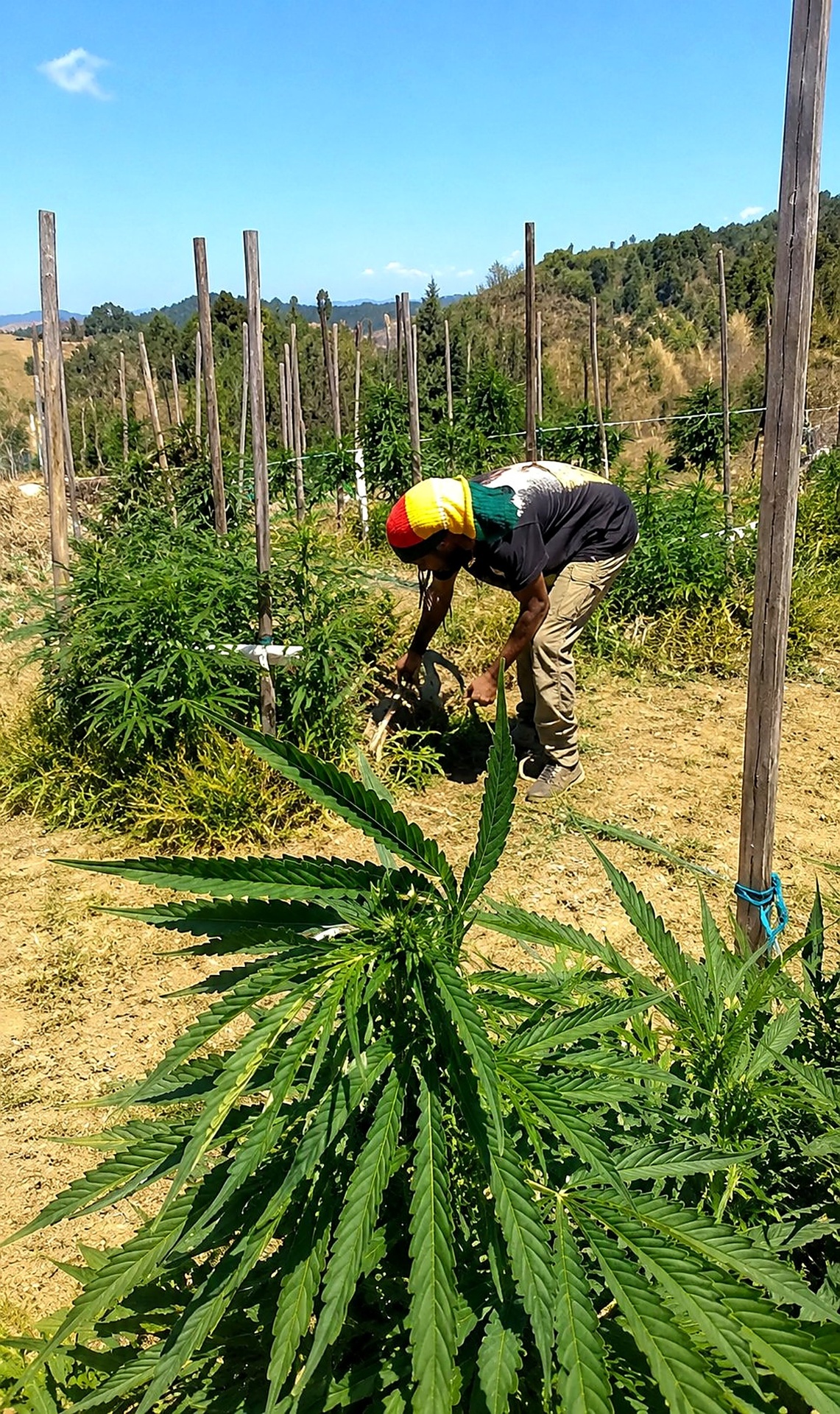
The fight has moved to the field.

The next chapter of Gareth's work is being argued not only in courtrooms but on the land — with indigenous farmers, traditional healers, and the communities the legal cannabis economy has so far left behind. The 2026 IKS Sandbox case before the Western Cape High Court is the next chapter.

Gareth Prince at a cultivation site supporting farmer advocacy
journey-iks.jpg

Continue with the timeline of the work.

The journey