Statute
Traditional Health Practitioners Act 22 of 2007.
Creates the Interim Traditional Health Practitioners Council and a regulated framework for the registration of healers, diviners, herbalists, and traditional birth attendants.
Traditional healing
Traditional healing is recognised in South African law and rooted in centuries of practice. The reform argument is that the rest of the legal system — on plants, on cultivation, on professional practice — be brought into line with that recognition.

“The healer is not asking the state for permission to exist. The healer is asking the state to honour its own Constitution.”
portrait-1.jpg
The position
01
The Traditional Health Practitioners Act recognises traditional health practice as a profession. The reform argument insists that recognition be carried through in practice — not undone by parallel laws on plants and substances.
02
Traditional healing is not a single technique. It is materia medica, ritual, counsel, and community. The Constitution protects this whole — Section 15 on religion, Section 30 on culture, Section 27 on health.
03
Policy that affects traditional health must be made with traditional health practitioners — not for them, not around them, and not after the fact.
Standing in law
Traditional healing is not legally novel. It is anchored in statute, the Constitution, and a line of case law on religious and cultural freedom.
Statute
Creates the Interim Traditional Health Practitioners Council and a regulated framework for the registration of healers, diviners, herbalists, and traditional birth attendants.
Constitution
Religion, health, culture, and community — the four constitutional anchors of traditional practice. Each one limits the state's power to regulate the practice out of existence.
Case law
From Prince I to Prince II, the courts have steadily widened the constitutional protection of indigenous and minority religious practice. Traditional healing inherits that line.
Connected work
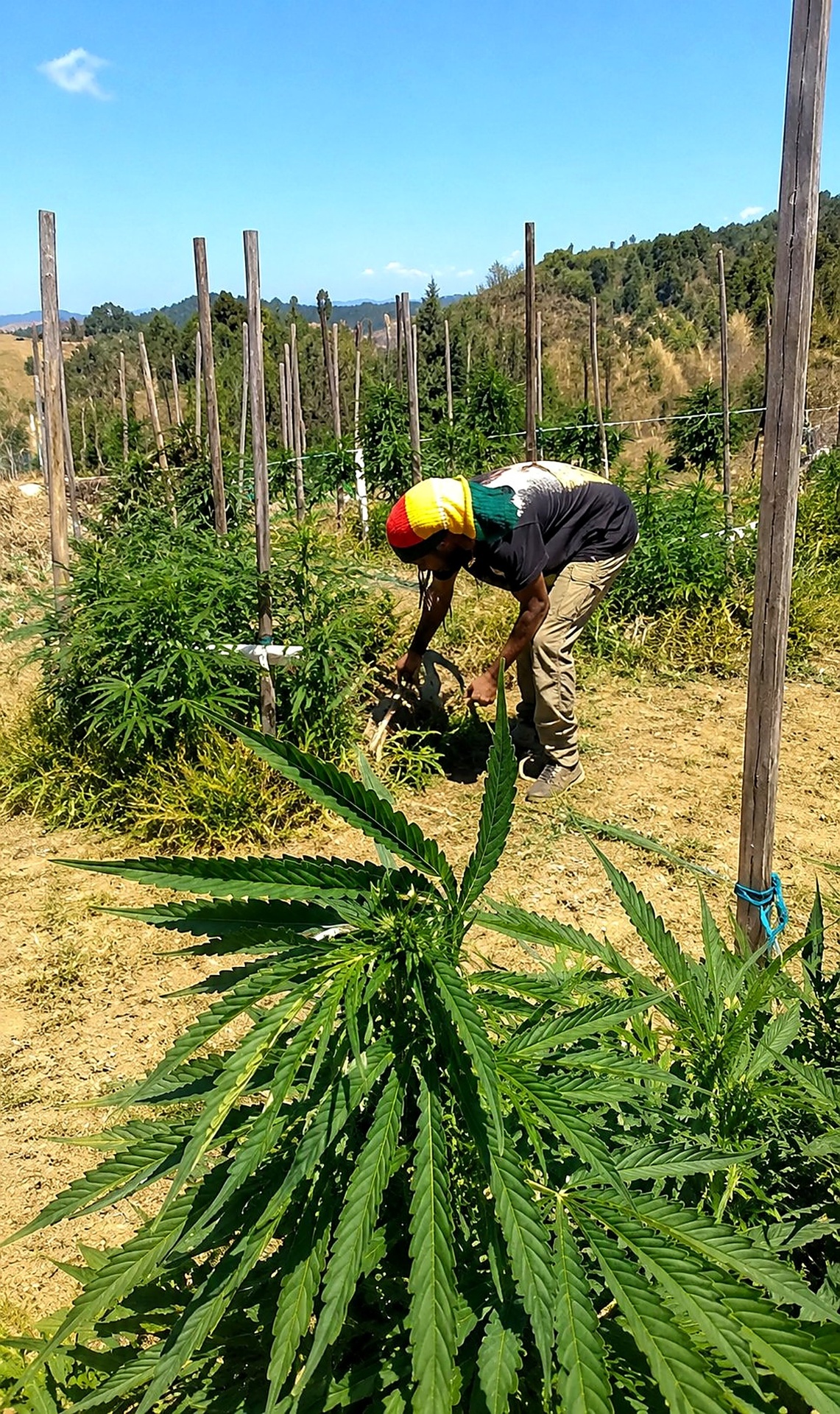
Traditional healing cannot be separated from the plants the practice depends on, or from the cultivators and elders who steward that knowledge. The 2026 IKS Sandbox case brings the three together inside one constitutional frame.
 journey-iks.jpg